3 min read
Jan 6, 2026
Neo-Nostalgia: Why Retro Design Is Shaping Modern Branding
Retro & Nostalgic Aesthetics: The Rise of Neo-Nostalgia in Graphic Design
In a fast-paced digital world driven by AI and automation, designers are turning backward to move forward. Retro and nostalgic aesthetics now widely referred to as neo-nostalgia are making a strong comeback in graphic design, branding, and visual communication.
This isn’t about copying the past. It’s about reinterpreting it for modern audiences.
What Is Neo-Nostalgia in Design?
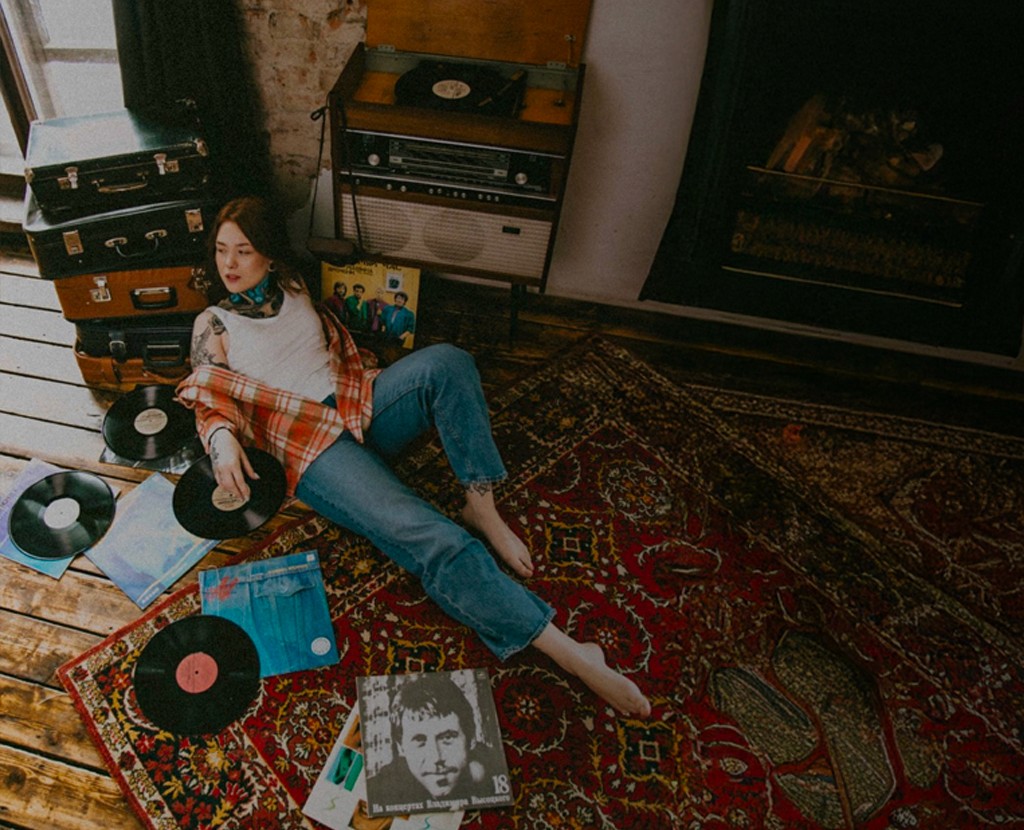
Neo-nostalgia blends vintage visual elements with contemporary layouts, technology, and strategy. Think classic typography paired with modern grids, grainy textures mixed with clean UI, or 90s color palettes refined for today’s brands.
It taps into familiarity while still feeling relevant.
Why Retro Design Is Trending on LinkedIn Right Now
Designers and brands are embracing nostalgic aesthetics for one powerful reason: emotion.
Audiences crave authenticity in a digital-first era
Familiar visuals build instant trust
Nostalgia triggers memory, comfort, and belonging
On LinkedIn, creatives are sharing how retro-inspired branding helps brands stand out in saturated markets while telling more human stories.
Where Neo-Nostalgia Is Showing Up
Retro aesthetics are no longer niche. They’re influencing multiple design touchpoints:
1. Brand Identity
Logos, color systems, and typography inspired by heritage, craftsmanship, and legacy reimagined with modern clarity.
2. Packaging Design
Vintage labels, serif typography, muted tones, and tactile textures that communicate quality and tradition.
3. Social Media Visuals
Polaroid style imagery, film grain, bold type, and analog imperfections that feel refreshingly real.
4. Editorial & Campaign Design
Layouts inspired by old magazines, posters, and print ads optimized for digital platforms.
Why Nostalgia Works So Well in Branding
Nostalgic design goes beyond aesthetics. It delivers strategic value:
Emotional connection over visual noise
Timeless appeal instead of short-term trends
Storytelling depth rooted in heritage and meaning
Differentiation in an AI-generated design landscape
When used intentionally, retro design feels warm, credible, and memorable.
How Designers Can Use Retro Aesthetics Effectively
The key is balance. Neo-nostalgia works best when it’s curated, not copied.
Combine vintage elements with modern spacing and hierarchy
Use retro typography selectively for impact
Keep color palettes refined, not overwhelming
Let nostalgia support the message not overpower it
