4 min read
Jan 20, 2026
Neurological Effects of Colors in Design: How the Brain Interprets Visual Stimuli
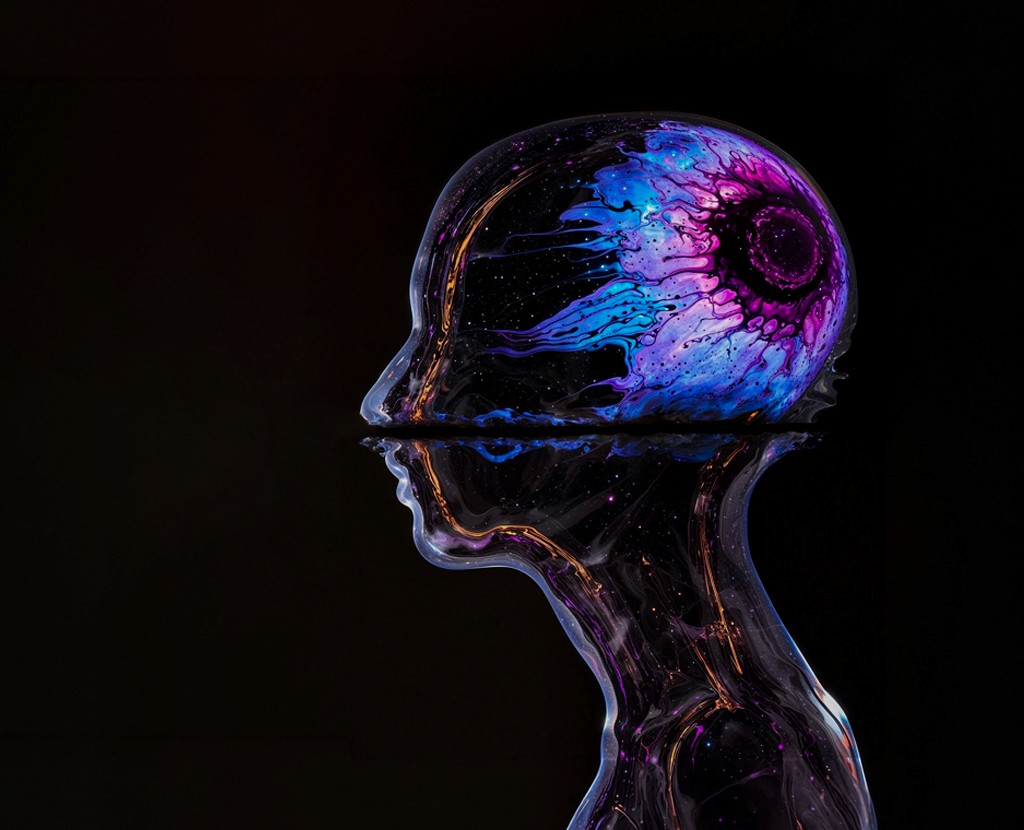
Design doesn’t start on the screen. It starts in the brain.
Long before users read a headline or process a message, their nervous system has already responded to color. Color is processed faster than text, faster than form, and often before conscious thought. This makes it one of the most powerful neurological inputs in modern design.
Understanding the neurological effects of colors in design allows brands to move past subjective taste and into brain-informed visual strategy where design decisions are made to influence attention, emotion, and behavior.
How the Brain Actually Processes Color
Color perception begins in the retina, but its impact extends deep into the brain. Once detected, color information moves through the visual cortex and activates regions responsible for emotion, memory, and decision-making.
Neurologically, color influences:
The amygdala, shaping emotional response
The hippocampus, strengthening memory formation
Neurotransmitters like dopamine and cortisol, affecting motivation and stress
This is why some designs feel instantly calming, urgent, or trustworthy without users being able to explain why.
References: https://www.frontiersin.org/articles/10.3389/fpsyg.2015.00368/full https://www.ncbi.nlm.nih.gov/pmc/articles/PMC4383123/
Color, Attention & Cognitive Load
From a design leadership perspective, color is a cognitive management tool.
High-contrast palettes increase neural activation and visibility
Poor contrast forces the brain to work harder, increasing fatigue
Over-saturated interfaces overload attention and slow decision-making
The most effective design systems reduce cognitive friction guiding users without demanding effort.
References: https://www.nngroup.com/articles/visual-design-cognitive-load https://www.sciencedirect.com/science/article/pii/S004269891400179X
Emotional Regulation in Digital Experiences
Color directly influences the autonomic nervous system, which controls stress and arousal.
Cooler tones help regulate calm and focus
Warmer tones elevate alertness and engagement
Balanced systems sustain attention during long interactions
This is critical in SaaS platforms, dashboards, healthcare interfaces, and any environment where users spend extended time.
References: https://www.apa.org/monitor/nov01/color https://www.verywellmind.com/color-psychology-2795824
Memory Encoding & Brand Recall
Strong brands are neurologically efficient brands.
When emotional response aligns with visual input, the brain forms stronger memory associations. Consistent, intentional color systems create durable neural pathways tied to brand recognition and recall.
This is why users often remember how a brand felt before remembering what it said.
Reference: https://www.psychologytoday.com/us/blog/brain-wise/201209/how-color-affects-memory
Cultural Conditioning & Neural Association
While biology sets the foundation, culture reinforces neural meaning.
Repeated exposure strengthens color associations within the brain, making context just as important as science. Global brands must design systems that respect both neurological response and cultural experience.
Reference: https://www.ncbi.nlm.nih.gov/pmc/articles/PMC5876718/
Final Thought
Design that performs is design that understands the brain.
Color is not aesthetic preference. It is neurological communication.
When brands stop designing for trends and start designing for cognition, they don’t just look better—they convert better, retain better, and last longer.
